
The Unsung Hero of Your Roof: Why Underlayment is Crucial for Las Vegas Tile Roofs
Across the Las Vegas valley, the elegant, uniform look of a tile roof is iconic. It’s a durable and attractive choice that seems perfectly suited for our desert landscape. But what many homeowners don't realize is that the real protector of their home isn't the tile itself—it's the layer hidden just beneath it. This unsung hero is called the underlayment, and its condition is the single most important factor in keeping your home safe and dry.
While your concrete tiles can last for decades, the underlayment is constantly battling the intense desert heat and the sudden downpours of monsoon season. At J&Y Roofing, we’ve seen firsthand how a failing underlayment can lead to significant problems, even when the tiles on top look perfectly fine. Understanding its role is the key to protecting your biggest investment.
What is Roof Underlayment and Why Does It Matter?
Think of your roofing system in two parts. The concrete tiles are the armor—they shed the vast majority of rain and block the direct impact of the sun. The underlayment, a water-resistant or waterproof membrane installed directly on the wooden roof deck, is the essential watertight shield beneath that armor. No matter how well-installed, wind can drive rain sideways, and a cracked tile can create a small opening. The underlayment is the final line of defense that catches this moisture and directs it safely off your roof.
Here in Nevada, this is especially critical. A common issue we see is a homeowner noticing a leak and assuming a single cracked tile is the culprit. However, the real problem is often that the underlayment has become brittle and failed after years of exposure to extreme temperatures. When we perform a roof inspection, we don't just look at the surface; we often lift surrounding tiles to assess the true health of this critical layer. The condition of your underlayment is frequently the deciding factor between a simple roof repair and the need for a more comprehensive replacement.
The Unique Challenges of the Las Vegas Climate
The climate throughout the valley puts unique stress on every part of a home, and the roof underlayment is no exception. Two major factors are constantly at work:
-
Intense Desert Heat and Sun Damage: The relentless sun and extreme heat can bake traditional asphalt-based felt underlayment, causing it to dry out, become brittle, and crack over time. Once it loses its flexibility, it can no longer effectively seal around fasteners or protect against water intrusion. This slow, hidden degradation is a primary cause of roof failure in our region.
-
Sudden Monsoon Season Storms: During our summer monsoon season, we can go from a clear, hot day to a torrential downpour with high winds in minutes. This wind-driven rain is notorious for getting underneath tiles. A healthy, intact underlayment is absolutely essential to handle this sudden influx of water and prevent it from reaching your attic and home. Hidden damage from past storms often only reveals itself when the underlayment finally gives way.
Fortunately, roofing technology has advanced significantly. Modern synthetic underlayments are engineered to withstand high temperatures and resist UV degradation far better than older materials, providing a longer-lasting and more reliable solution for our climate.
Signs Your Tile Roof's Underlayment May Be Failing
Because the underlayment is hidden, identifying a problem before it becomes a major leak can be tricky. However, there are several warning signs that homeowners should watch for:
- Water Stains: Any discoloration or staining on your ceilings or walls, especially in the corners of rooms on the top floor, is a red flag.
- Leaks in the Attic: After a rainstorm, it's wise to check your attic space for any signs of moisture, damp insulation, or drips.
- A Musty Odor: A persistent damp or musty smell in your home, particularly on the upper level, can indicate a slow, hidden leak.
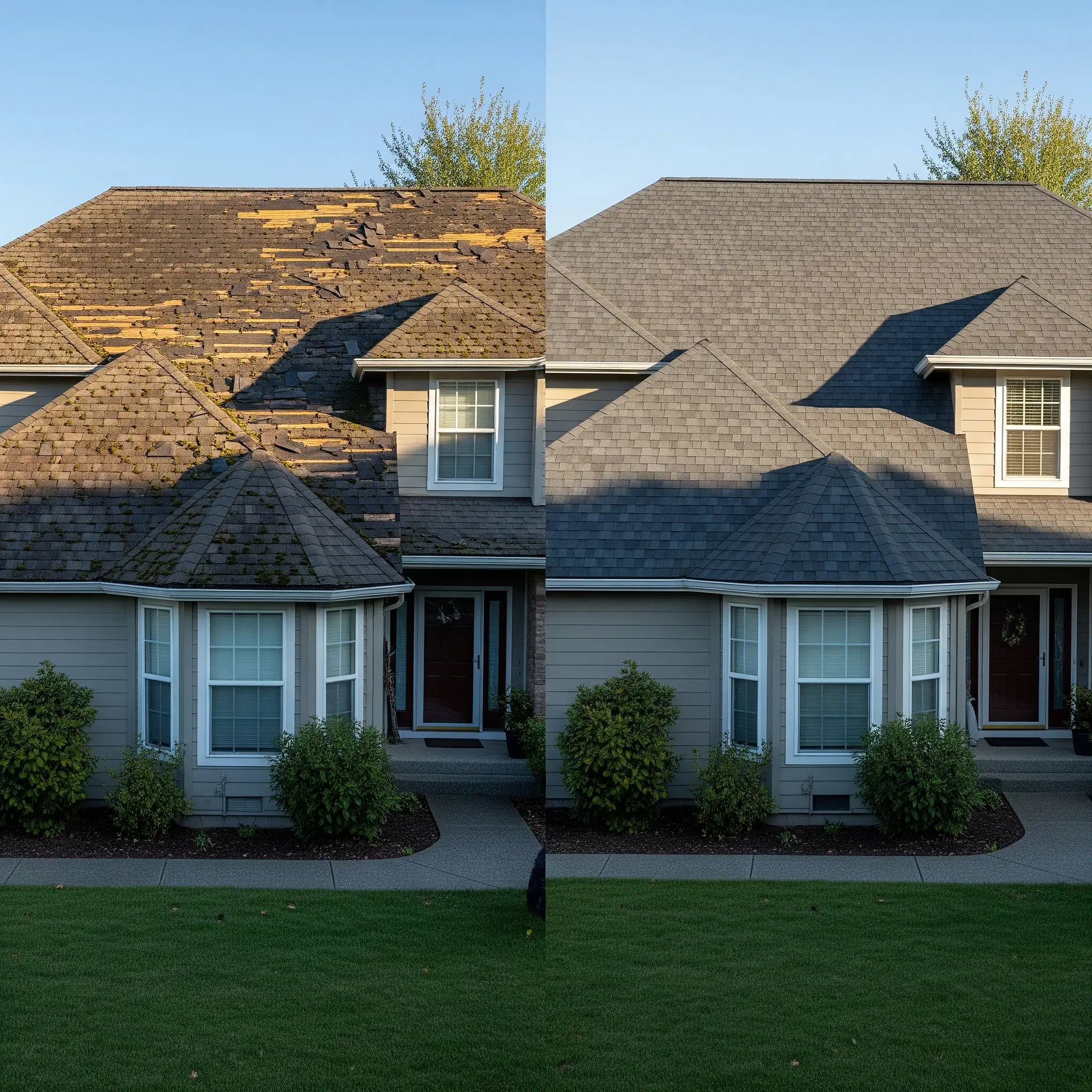
- Slipping or Cracked Tiles: If you notice tiles that have shifted out of place or are visibly damaged, it means the underlayment beneath is now exposed to direct sunlight, which will accelerate its deterioration.
If your tile roof is over 15-20 years old, it's highly likely the underlayment is nearing the end of its effective lifespan, even if you don't see these signs. The only way to know for sure is with a professional inspection where a roofer can physically check its condition.
Protecting Your Home for the Long Term
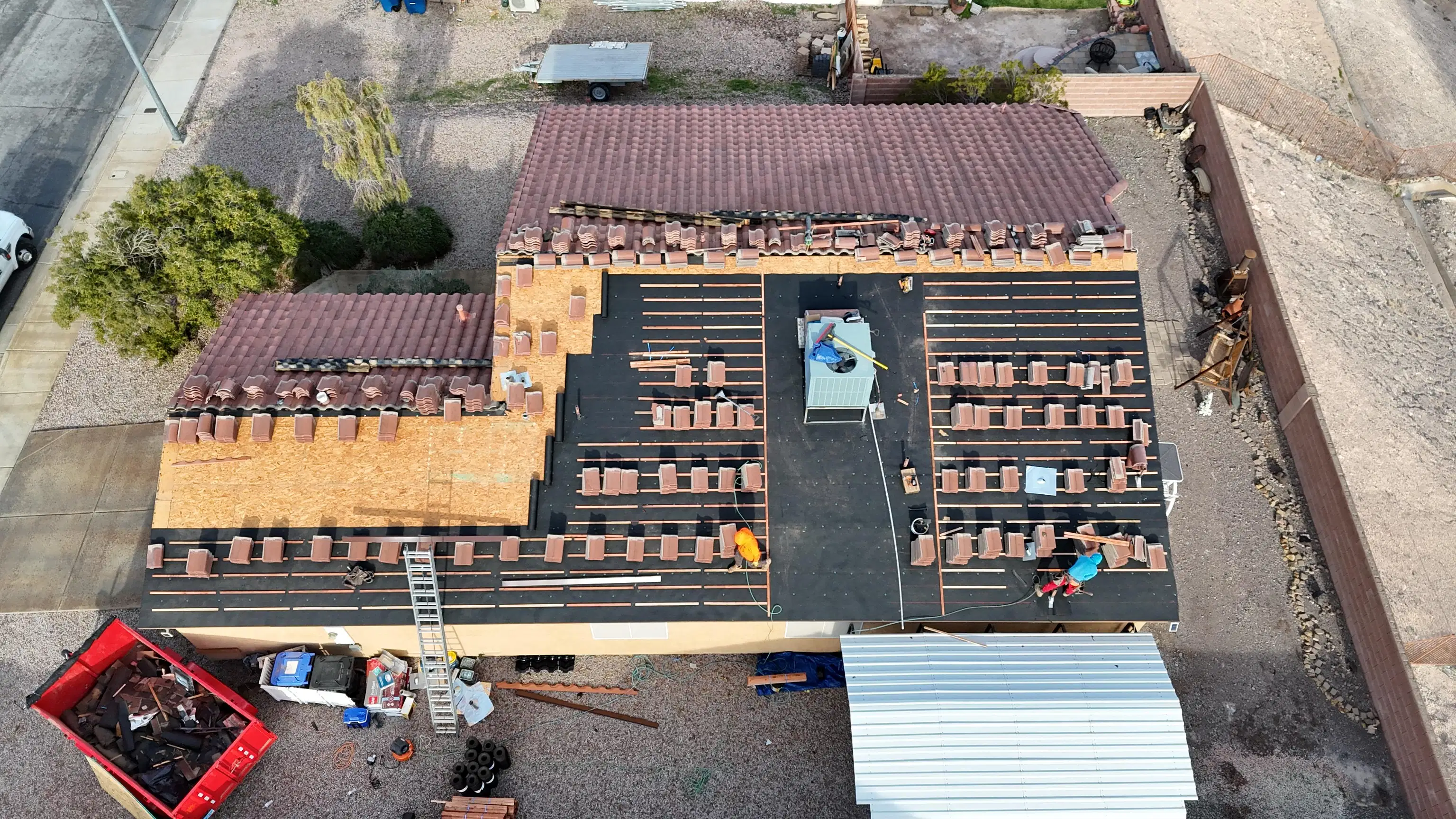
When an underlayment has failed, the proper solution is a process often called a "lift and re-lay." This involves carefully removing the existing tiles and stacking them, tearing off the old, failed underlayment, inspecting the wood decking for any damage, and installing a new, high-quality synthetic underlayment. Once the new protective layer is in place, the original tiles (if still in good condition) are re-installed.
This process is essentially a roof replacement of the most critical component for water protection. It restores the integrity of your entire roofing system and ensures your home is protected against the elements for decades to come. It’s a detailed job that requires expertise to ensure tiles aren't damaged and the new system is installed flawlessly.
Don't wait for a monsoon storm to reveal that your roof's most important defense has failed. If your tile roof is getting older or you suspect any issues, it's time to take a closer look. Contact the experts at J&Y Roofing for a thorough and honest roof inspection here in Las Vegas. We’ll help you understand the true condition of your roof and provide the best solution to keep your home protected.